
Sports Science & Rehabilitation Masters Overview
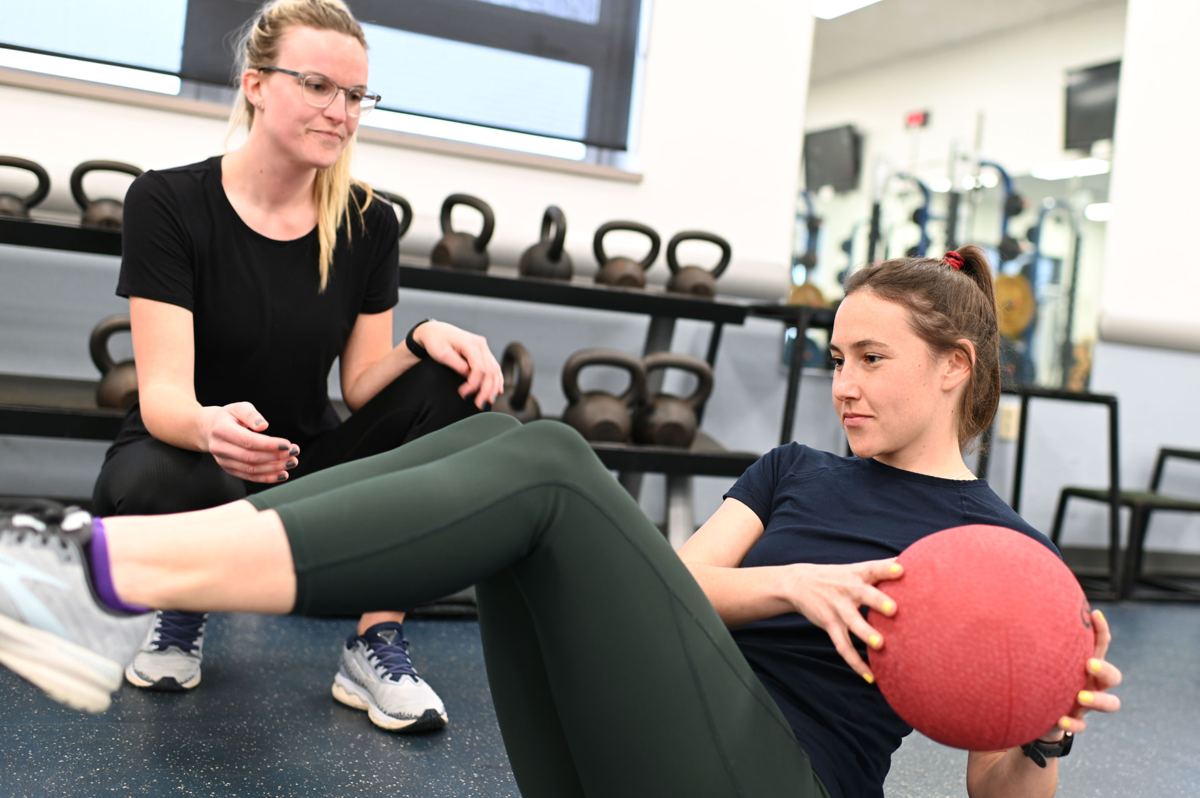
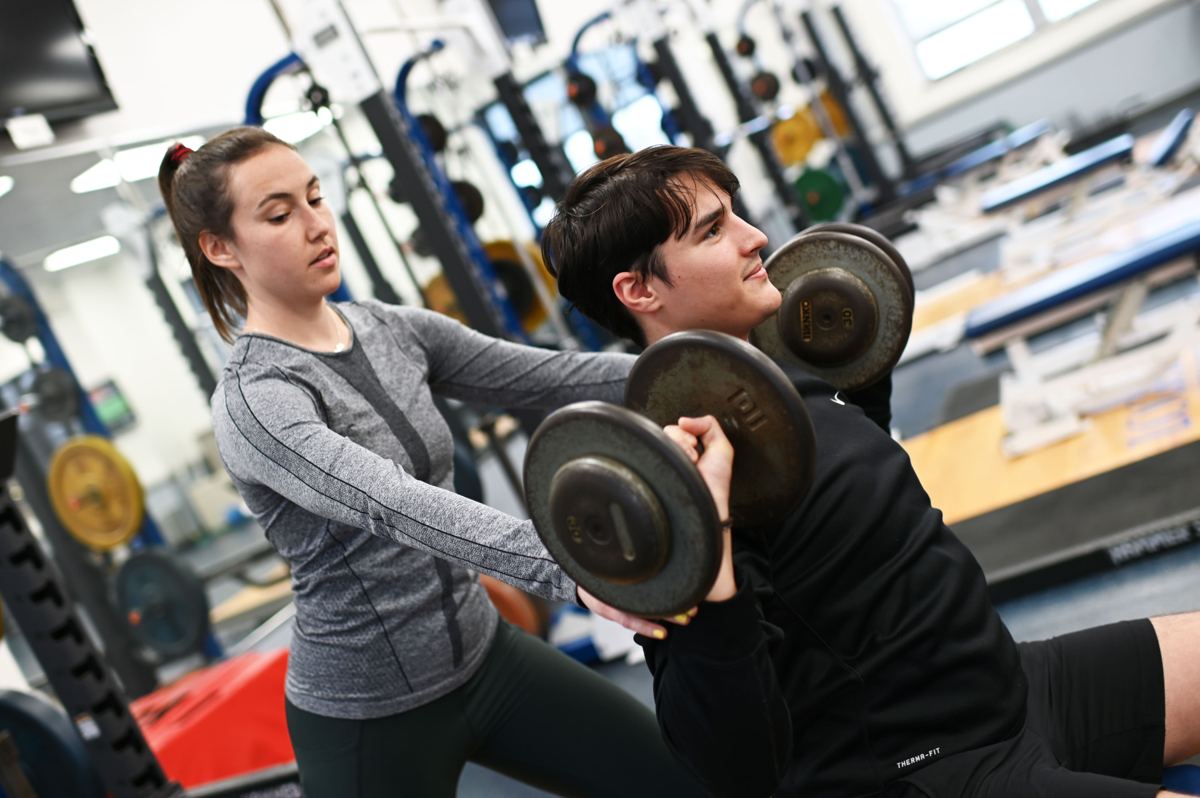
Are you ready to take the next step in preparing for a career in exercise physiology or sports rehabilitation? Learn how to make a meaningful impact where health, sport, science, and movement intersect. Our Sports Science & Rehabilitation Master's Program helps you gain the expertise to assess fitness, optimize performance, and support recovery and rehabilitation across diverse populations.
100% online
Format
1 YEAR
Length
Sports Rehab or Exercise Physiology
Concentrations
3
Starts per year
Whether you're just developing your passion for exercise science or looking to add to your credentials, the MS-SSR program gives you the opportunity to focus on helping clients and patients improve performance while minimizing injury risk. The MS-SSR program offers two distinct concentrations, allowing students to shape their education around their career goals.
Perhaps you are a recent graduate, a working professional seeking a career change, or someone exploring opportunities in healthcare — our Sports Science & Rehabilitation Program helps you discover where your interests and strengths fit best. Build the foundational knowledge, clinical perspective, mentorship, and skill sets needed to confidently pursue the next step toward a meaningful career in rehabilitation, sports performance, and patient care.
Rankings
- Nationally ranked
Logan's MS-SSR program has been recognized among the best online sports medicine master's programs by Intelligent.com (2025), by BestColleges.com (2021), and ranked #6 nationally by Sports Management Degree Hub.
Two Concentrations, One Degree
Choose the concentration that supports your career goals:
- Exercise Physiology — prepares you to assess physical fitness and develop exercise prescriptions for both healthy individuals and those managing controlled medical conditions. Graduates can pursue certifications such as the Certified Exercise Physiologist from the American College of Sports Medicine (ACSM) and the Certified Special Populations Specialist from the National Strength and Conditioning Association (NSCA).
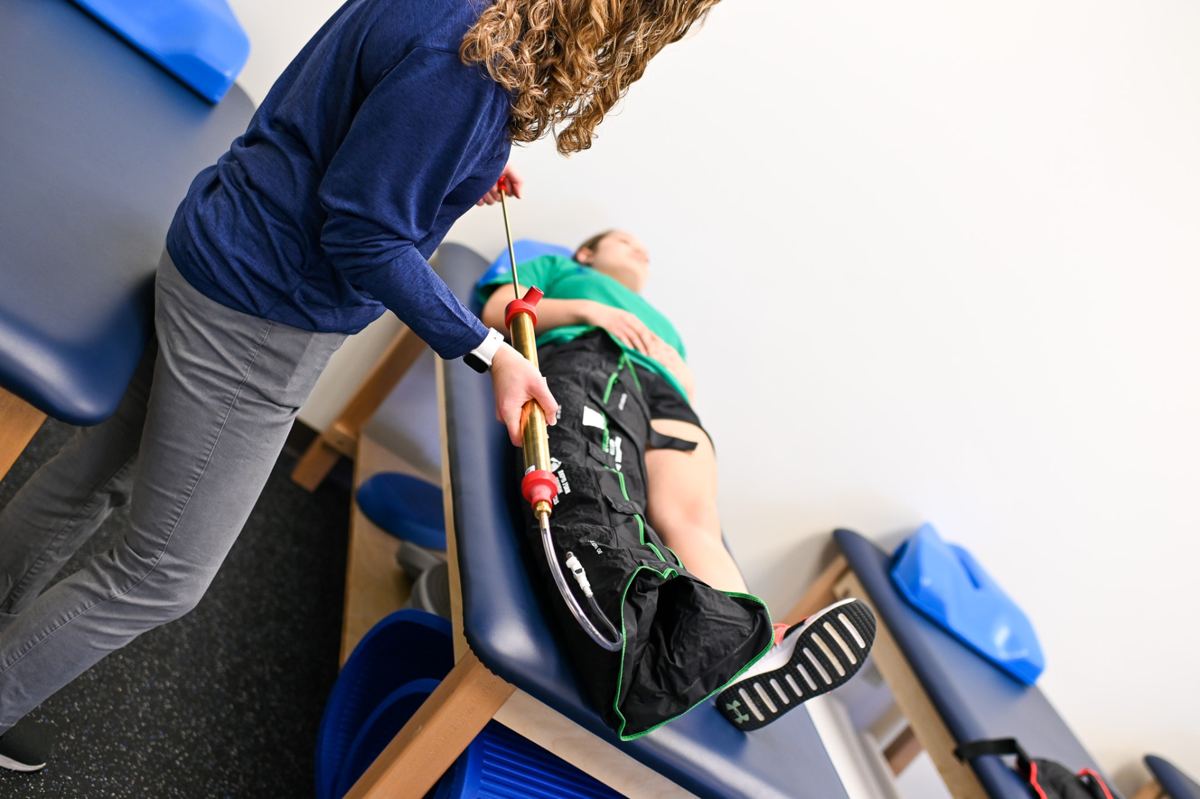
- Sports Rehabilitation — provides you with skills for musculoskeletal injury rehabilitation. This degree is ideal for professionals looking to add to your clinical skillsets, advance your knowledge of injury prevention and rehabilitation, or want to help athletes recover more efficiently from their injuries. For practicing chiropractors or incoming Doctor of Chiropractic students, this concentration prepares you for the Certified Chiropractic Sports Physician credentials.
Regardless of your chosen concentration, you will complete a clinical internship as your final program requirements. This is a hands-on, applied portion of the program. For the Sports Rehabilitation concentration, you’ll apply your skills in developing and implementing rehabilitation and exercise programs while gaining experience in clinical settings. For the Exercise Physiology concentration, you’ll work under the supervision of a Clinical or Certified Exercise Physiologist to conduct fitness assessments, design exercise programs for diverse populations, while promoting health and rehabilitation initiatives.
Curriculum
Both concentrations share a 21-credit core: human anatomy and physiology, biomechanics, psychology of sport and exercise, sports nutrition, exercise and cardiorespiratory physiology, sports emergency care, and principles of injury rehabilitation
Exercise Physiology adds 15 credit hours (36 total). Sports Rehabilitation adds 12–13 credit hours (33–34 total), including an optional 1-credit Sports Emergency Care Lab required for DC students pursuing CCSP certification.
Courses run in an accelerated format within each trimester, with a short break between sessions.
Core courses — 21 credit hours (both concentrations)
| CORE COURSES — 21 CR HR (BOTH CONCENTRATED) | Credits |
|---|---|
| STRC 500 Human Anatomy & Physiology | 3 |
| STRC 550 Biomechanics | 3 |
| STRC 510 Psychology of Sport and Exercise | 3 |
| STRC 520 Sports Nutrition | 3 |
| MSSR 515 Exercise/Cardiorespiratory Physiology | 3 |
| MSSR 560 Sports Emergency Care | 3 |
| MSSR 570 Principles of Injury Rehabilitation | 3 |
Exercise Physiology concentration — 15 credit hours (36 total)
| EXERCISE PHYSIOLOGY CONCENTRATION — 15 CR HRS (36 TOTAL) | Credits |
|---|---|
| MSSR 600 Clinical Exercise Physiology | 3 |
| MSSR 620 Exercise Testing | 3 |
| MSSR 630 Exercise Prescription | 3 |
| MSSR 670 Exercise Prescription for Special Populations | 3 |
| MSSR 695 Exercise Physiology Internship | 3 |
Sports Rehabilitation concentration — 12–13 credit hours (33–34 total)
| SPORTS REHABILITATION CONCENTRATION — 12-13 CR HRS (33-34 TOTAL) | Credits |
|---|---|
| MSSR 565 Sports Emergency Care Lab (optional, required for DC students pursuing CCSP) | 1 |
| MSSR 640 Active & Passive Upper Extremity Rehabilitation | 3 |
| MSSR 650 Active & Passive Lower Extremity Rehabilitation | 3 |
| MSSR 680 Advanced Rehabilitation | 3 |
| MSSR 690 Clinical Rehabilitation Internship | 3 |
- PLO1 — Evaluate neuro-muscular skeletal anatomy that influence human performance
- PLO2 — Apply exercise physiology principles to enhance human performance
- PLO3 — Apply scientific knowledge to enhance skills in sport science and rehabilitation
- PLO4 — Develop safe exercise and rehabilitation programs for diverse populations
- PLO5 — Demonstrate positive communication skills and techniques
Internship Experience
Both concentrations require an internship to be completed in the final trimester, providing you with 90 hours of hands-on experience over 7 weeks at a site of your choosing.
Sports Rehabilitation Internship-
Exercise Physiology Internship- This experience is completed under a Clinical or Certified Exercise Physiologist who will guide you in the application of exercise testing and developing evidence-based exercise plans. The internship can be completed in hospital settings, in cardiac rehabilitation units, or other private practice or exercise facilities.
- Sports Rehabilitation — This experience allows for flexibility in the type of experience that prepares you for your career goals. Apply your skills in a variety of clinical and non-clinical settings, develop and implementing rehabilitation exercises, or focusing on exercise programming. Your site supervisor must be a licensed healthcare provider or hold professional certifications in the health, wellness, and rehabilitation fields.
- Exercise Physiology — This experience allows for flexibility in the type of experience that prepares you for your career goals. Apply your skills in a variety of clinical and non-clinical settings, develop and implementing rehabilitation exercises, or focusing on exercise programming. Your site supervisor must be a licensed healthcare provider or hold professional certifications in the health, wellness, and rehabilitation fields.
Students have completed internships across 38 states and internationally — in clinics, performance centers, universities, hospitals, high schools and professional sports organizations. Sports Rehabilitation students have worked with athletic programs from community college through Division I.
| Setting | Sites |
|---|---|
| Clinics and performance centers | 155 |
| Universities and colleges | 63 |
| Hospitals and institutions | 7 |
| High schools | 7 |
| Professional sports organizations | 6 |
Certifications
Each degree concentration is designed to support you in reaching your career goals.
The Exercise Physiology Concentration prepares you to sit for the ACSM Certified Exercise Physiologist exam. Graduates are also prepared in coursework for the NSCA Certified Special Populations Specialist, although additional experience hours are required beyond the program’s exercise physiology internship. Students can complete these additional hours as part of the internship course, or individually outside of the program.
The Sports Rehabilitation concentration provides an opportunity for professionals in rehabilitation and clinical careers to advance their skills in musculoskeletal injury rehabilitation. For practicing Doctors of Chiropractic and dual-enrolled DC students, this concentration provides eligibility to sit for the Certified Chiropractic Sports Physician (CCSP) exam from the American Chiropractic Board of Sports Physicians, and the International Certificate in Sports Chiropractic (ICSC).
Logan University is accredited by the Higher Learning Commission, 230 S. LaSalle St., Ste. 7-500, Chicago, IL 60604, 800-621-7440.
Career Outlook
Graduates work in professional sports organizations, collegiate athletics from Division I to junior college, hospital-based rehabilitation, corporate wellness and private performance centers.
Bureau of Labor Statistics sites employment in sports and exercise science is projected to grow 10–13% by 2032, and exercise physiologists projected to grow 13% by 2035.
Sports Rehabilitation graduates can design safe rehabilitation programs to help athletes and patients recover from and prevent injury. Exercise Physiology students can design safe, effective exercise plans for healthy clients and for clients with medically controlled diseases.
Admission Requirements
No GRE required.
- A baccalaureate degree or higher from a USDE- or CHEA-recognized institution.
- A minimum cumulative unweighted GPA of 2.5. Post-undergraduate coursework can be re-evaluated by the Admissions Committee.
- Official transcripts from every institution attended.
- Prerequisites with a C or higher: six credit hours in physics, kinesiology, exercise science, biomechanics or statistics, plus six in biological science.
- A current resume or CV.
Haven't finished prerequisites? You may be admitted provisionally with a reduced course load and regular meetings with an Academic Success Coach. The Alternative Admissions Track Program is there for applicants who don't meet every criterion outright — Admissions@logan.edu or 636-230-1750.
Transfer credit: completed within 10 years, minimum grade of B, and approval by the program director.
FAQ
What's the difference between the two?
Is this an athletic training degree?
How long does it take?
Do you place me in an internship?
Do I need to come to campus?
Is this program accredited?
Logan University is accredited by the Higher Learning Commission, which accredits degree-granting institutions across nineteen states. Institutional accreditation covers every Logan degree program, including this one.
Related programs
Doctor of Education (EdD)
Doctorate · Online
Earn your doctorate without stepping away from your career.
See the programMaster of Science in Nutrition & Human Performance (MSNHP)
Graduate · Online
Apply nutrition science to human performance and whole-person health.
See the programMaster of Science in Applied Nutrition & Dietetics (MSAND)
Graduate · Hybrid
Complete the coursework and supervised practice required to sit for the RDN exam.
See the programMaster of Science in Strength & Conditioning (MSSC)
Graduate · Online
Train athletes with evidence-informed programming, 100% online.
See the programMaster of Science in Health Informatics (MSHI)
Graduate · Online
Work at the intersection of data and health care.
See the programBachelor of Science in Human Biology (BSHB)
Undergraduate · Online
Build the science foundation for a doctoral health career.
See the program